Stopping by a supermarket aisle for meal deals in April 2026 feels a bit like a lesson in marketing over matter. We’ve been told for decades that the stuff in the plastic is “purer” or “fresher”. But if you’ve glanced at the news this month, the tide is turning. Hard. People across the UK are ditching the expensive, plastic-wrapped convenience for the humble kitchen faucet, and honestly, the data suggests they’re onto something big.
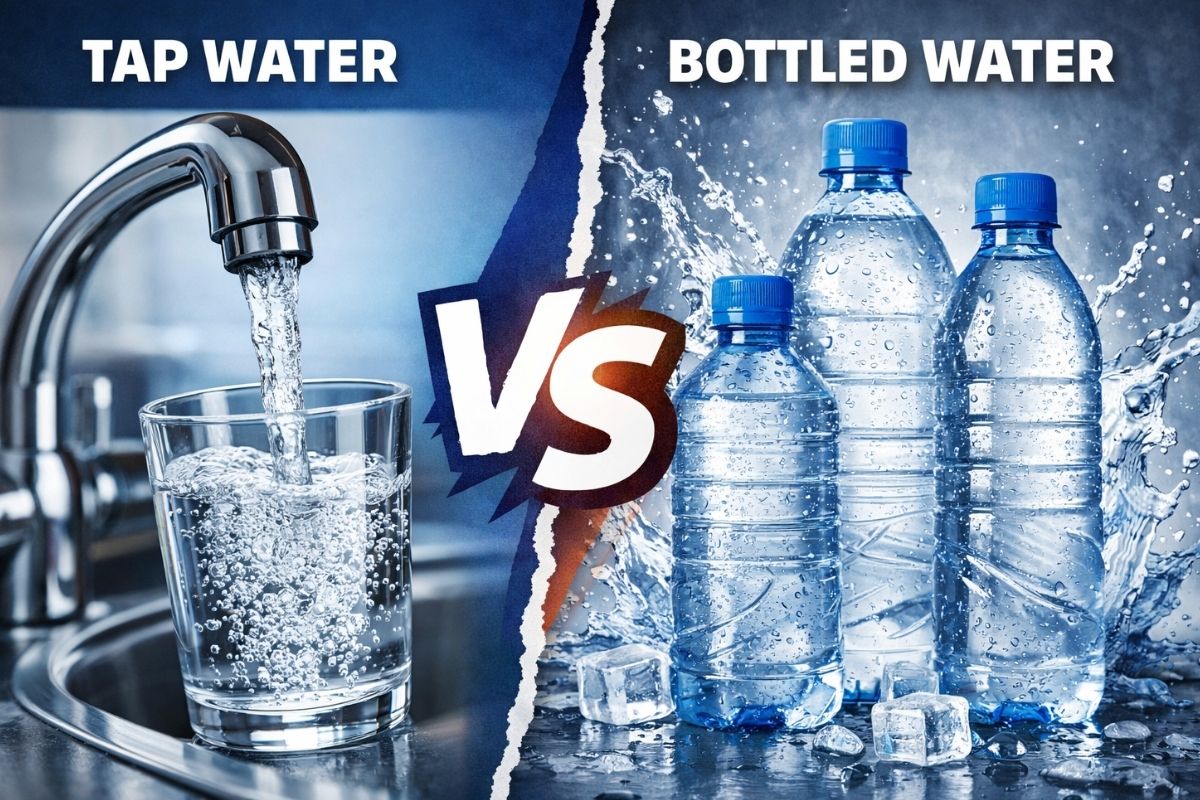
The whole tap water vs. bottled water debate used to be about taste. Now? It’s a full-blown health and environmental reckoning.
The Microplastic Problem Just Got Real
Look, we all knew plastic wasn’t great. But the bombshell study dropped on 9 April 2026 changed the conversation entirely. Researchers found that some of the UK’s most popular bottled water brands contain nearly three times the microplastic levels of what’s coming out of your tap.
The kicker? Much of that plastic does not derive from the source. It’s from the packaging. And each time you twist that cap, microscopic shards of plastic shed directly into the water. If you drink bottled water regularly, you probably swallow around 90,000 extra plastic particles each year. When you look at the much cleaner results from municipal pipes, that “bottled purity” starts to sound like a bit of a fairy tale.
While the World Health Organization is still assessing how much long-term damage this does to our guts, we’re essentially eating enough plastic across the board that anyone would want to rethink their shopping list.
Also Read – Test Your Knowledge With 100 History Trivia Questions
What’s Actually Coming Out of Your Faucet?
Now, tap water isn’t perfect. If you’ve been following the news lately, you have probably heard about PFAS — aka “forever chemicals”. These are greasy compounds found in everything from non-stick pans to firefighting foam that have been leaching into water systems around the world.
The Drinking Water Inspectorate (DWI) monitors these levels in the UK. The UK limit currently stands at 100 ng/L for individual compounds. However, its American counterpart has recently implemented a much stricter threshold of 4 ng/L. This difference made major headlines in the British tabloid press this month.
Does this mean it’s safe to drink our water? Not necessarily. The UK’s testing is incredibly frequent, with thousands of samples taken daily across its network. Bottled water, in contrast, is regulated more like a packaged food product. It’s tested at the source, but there are far fewer safeguards once it’s sitting on a shelf in a warm warehouse for six months.
Breaking Down the Numbers: April 2026 Edition
| Feature | UK Tap Water (Mains) | Bottled Water (Retail) |
| Regulation | DWI (Very Strict Daily Checks) | FSA (Packaged Food Standards) |
| Microplastics | Lower (Filtered at Source) | Higher (Leaching from Bottle/Cap) |
| Cost (per 2L) | ~0.7p | 80p to £1.50 |
| Environment | Minimal Impact | High CO2 & Plastic Waste |
| Convenience | Instant at Home | Requires Transport/Storage |
You’re Basically Paying for a Fancy Plastic Hat
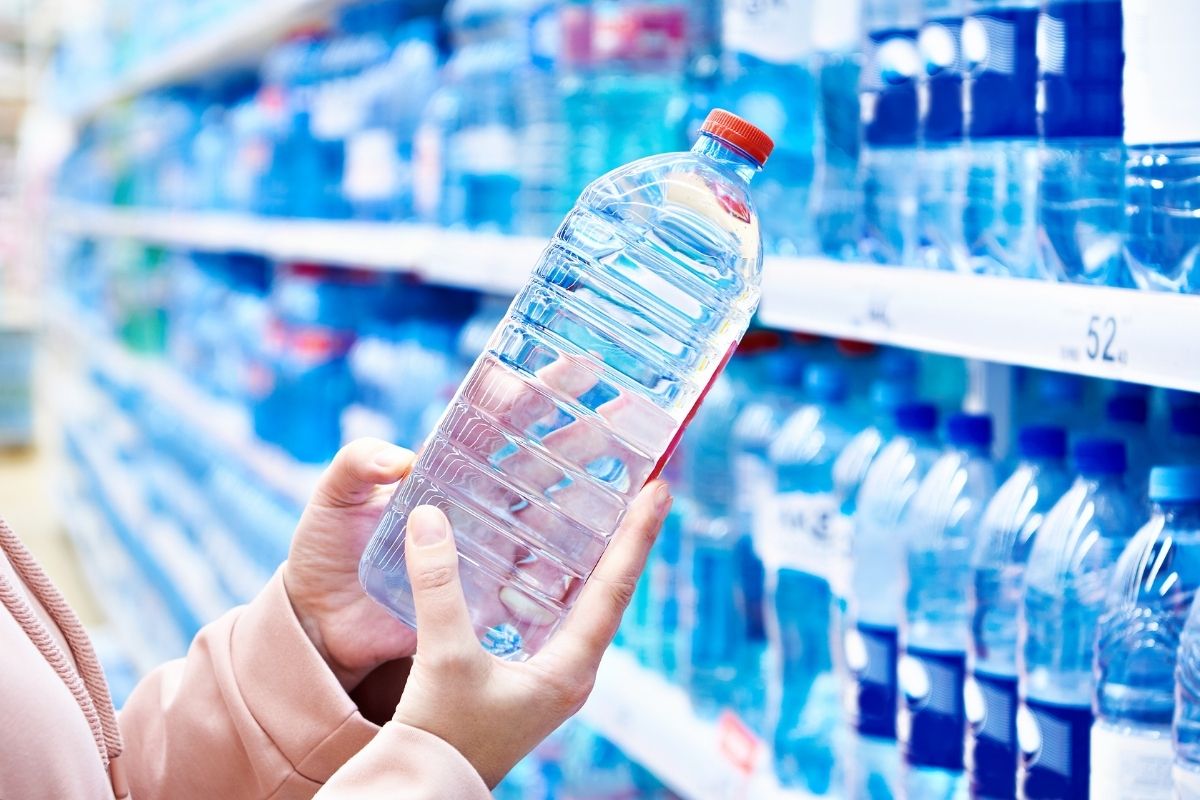
Let’s talk money. In 2026, everyone’s feeling the pinch. Inflation has sent the cost of packaging and transport through the roof.
Right now, UK tap water costs about 0.7p for two litres. That same volume in a branded bottle will set you back anywhere from 80p to £1.50. You’re paying roughly 200 times the price for the same basic H2O.
If you drink what the doctors recommend, switching to tap could put over £500 back in your pocket by next year. That’s not small change. When you buy a bottle of water, you aren’t paying for the liquid—you’re paying for the plastic, the lorry that moved it, and the glossy advert that convinced you it came from a pristine glacier.
The Green Guilt is Real
Environmental groups have stopped mincing words — they’re declaring the bottled water industry an outright disaster. The carbon footprint of a single plastic bottle is approximately 1,000 times that of tap water.
Despite individuals’ good intentions, millions still find their way every week into UK landfills or float around in our coastal waters. Then you’ve got the energy. Producing one bottle consumes up to 2,000 times the energy used just to pump water into your home. It is a massive waste of resources for something we use for 10 minutes and then throw in the bin.
Also Read – Why Modern Convenience Has Increased Stress Instead of Reducing It
Fixing the “Tap Water Taste”
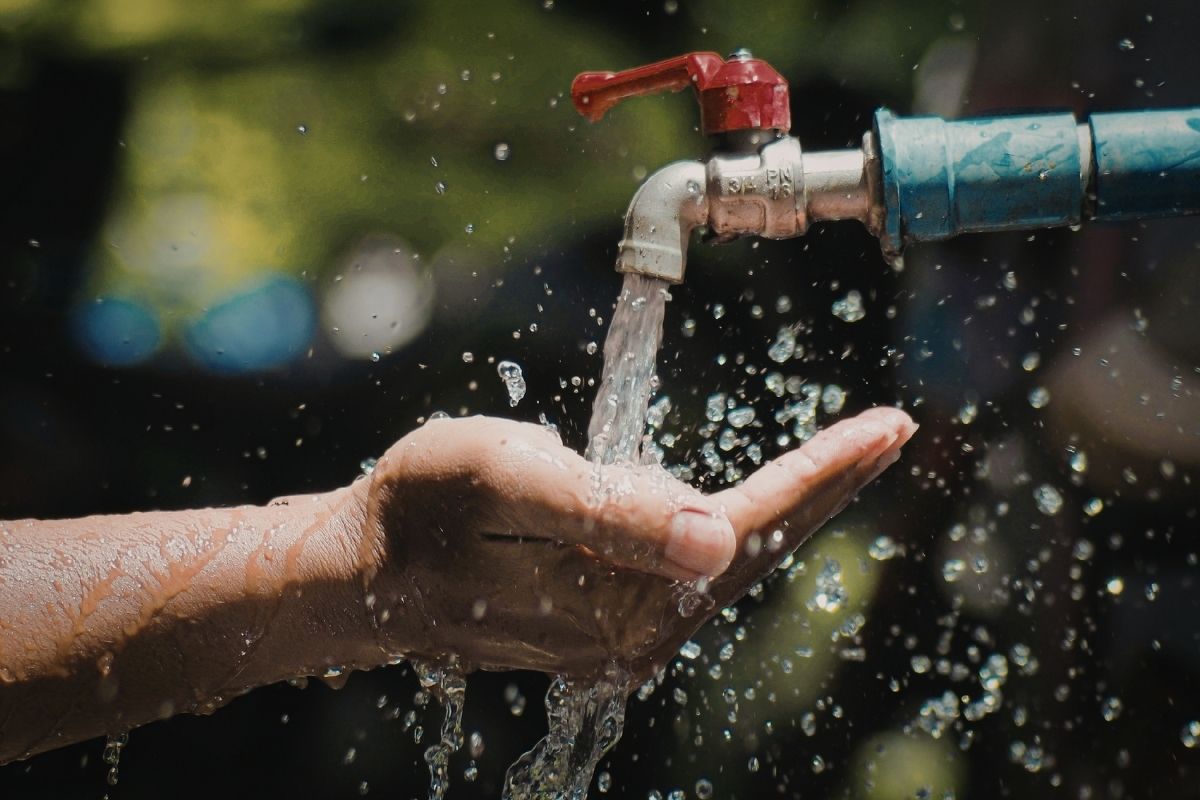
A few people dislike the taste of tap water, especially in hard water zones like London. That “swimming pool” tang is simply chlorine, which the water companies add to kill germs in the pipes.
It’s an easy fix, though. Put a filter jug in the fridge or even just leave a glass of water on the counter for an hour. The chlorine evaporates. Problem solved. For all the people who are nervous about lead piping under their really old houses, undersink filtration systems are flying off shelves in early 2026, far cheaper as a long-term solution than buying pallets of Evian.
The 2026 Verdict: Tap or Bottle?
- Go for Tap if you want to save a fortune, avoid swallowing 90,000 plastic shards a year, and actually do something for the planet. It’s the safest, most tested option we’ve got.
- Stick to the Bottle only if there’s a genuine “Boil Water Notice” in your postcode or your old Victorian plumbing is confirmed to be leaching lead.
The hype around bottled water is finally starting to fade. It turns out the best thing for your health and your wallet has been sitting in your kitchen all along.
Also Read – Food Poisoning Symptoms
FAQs
Is it safe to drink UK tap water in 2026?
Absolutely. It’s among the cleanest in the world. The DWI makes sure of it with constant, relentless testing.
Doesn’t bottled water have more minerals?
Maybe a tiny bit more calcium or magnesium, but nothing you won’t get from a normal sandwich or a bit of fruit. It’s not a health game-changer.
Why does tap water smell like chlorine?
It’s there to kill bacteria. If you don’t like it, just chill the water or use a basic carbon filter. It disappears pretty quickly.
Is glass-bottled water better?
Better for microplastics? Yeah. Better for the planet? Not really. Glass is heavy and takes a lot of fuel to transport, so the carbon footprint is still huge.
What about the cost?
Tap water is nearly 200 times cheaper than the bottled stuff. Over a year, that’s a massive saving for any UK household.
The Bottom Line
To be honest, we have nearly resolved the debate between tap water and bottled water for 2026. The bottle is a convenience we can’t afford — not for our wallets, and certainly not for our health. Buy a good stainless steel flask, fill it at home, and save your money. Why buy a plastic problem when the solution is at hand in your kitchen?
Sources and References
- DWI Annual Report (2025/26): For data on UK water quality and testing frequencies. View DWI Reports.
- University Environmental Study (April 2026): Regarding microplastic shedding in bottled water caps.
- Discover Water UK: For current price comparisons across different water suppliers.
- The Guardian / Independent Archives: For reporting on the surge of PFAS concerns in British households. The Independent Water News.
- British Geological Survey: On the mineral content of UK aquifers versus bottled mineral brands. BGS Water Data.