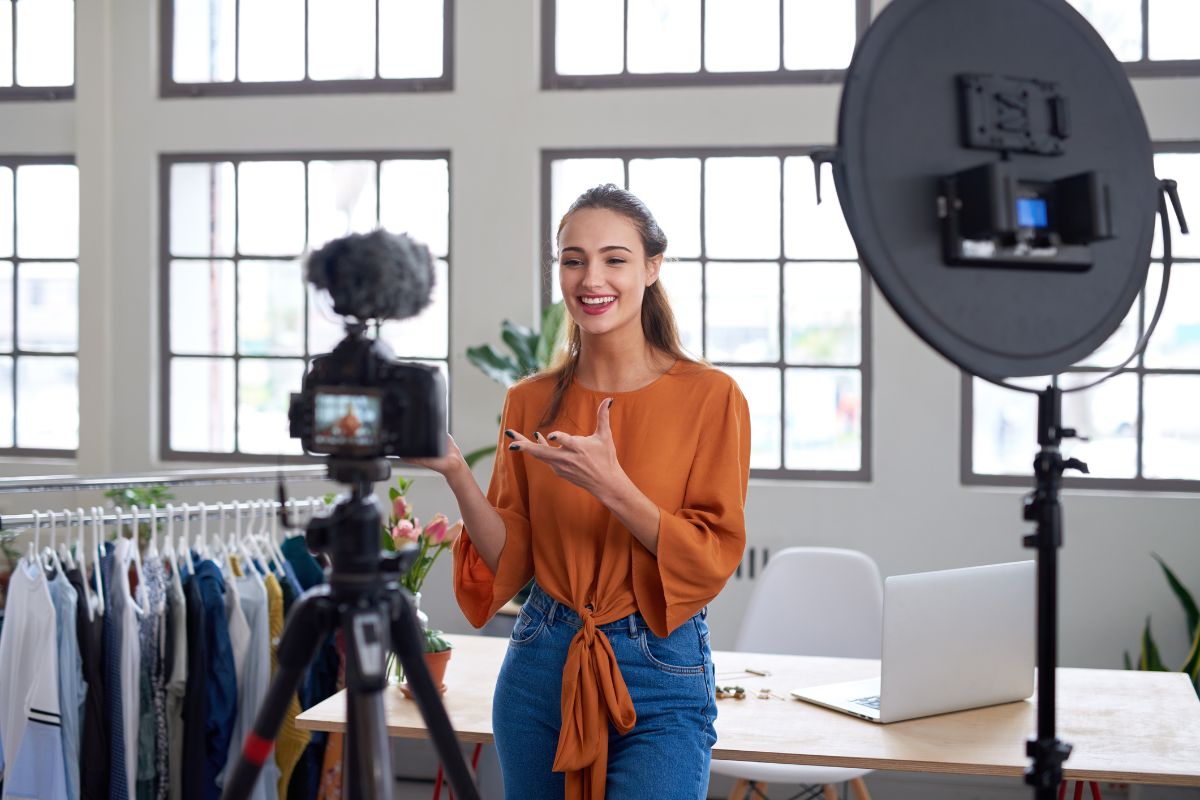
Walking through central London on a Tuesday afternoon, you can’t miss the change in the air. Between the tourists and the commuters, there’s a new breed of worker: the creator. They aren’t just holding phones anymore. They’re wielding gear that looks like it belongs on a film set yet fits in a jacket pocket. If you’re looking for great cameras for vlogging in April 2026, the game has moved far beyond just having “4K” on the box.
It’s now about AI that actually works and audio that doesn’t sound like you’re standing in a wind tunnel. We’ve tried out all sorts of cameras for the past couple of years, everything from large, proper DSLRs to tiny action cameras. And the most important thing is you don’t need to spend a fortune on the very best camera. The best camera is the one you won’t want to throw in the Thames after it fails to focus for the tenth time! Here is the honest truth about what’s actually worth your money right now.
The DJI Osmo Pocket 3: The King of the Commute
If you’re doing “walk and talk” vlogs, the DJI Osmo Pocket 3 is basically cheating. Most great cameras for vlogging rely on digital tricks to stop the shakes, but this model has a literal mechanical gimbal. It’s like having a tiny, invisible chicken head holding your lens—no matter how much you bounce, the horizon stays flat. The 1-inch sensor is the real hero here.
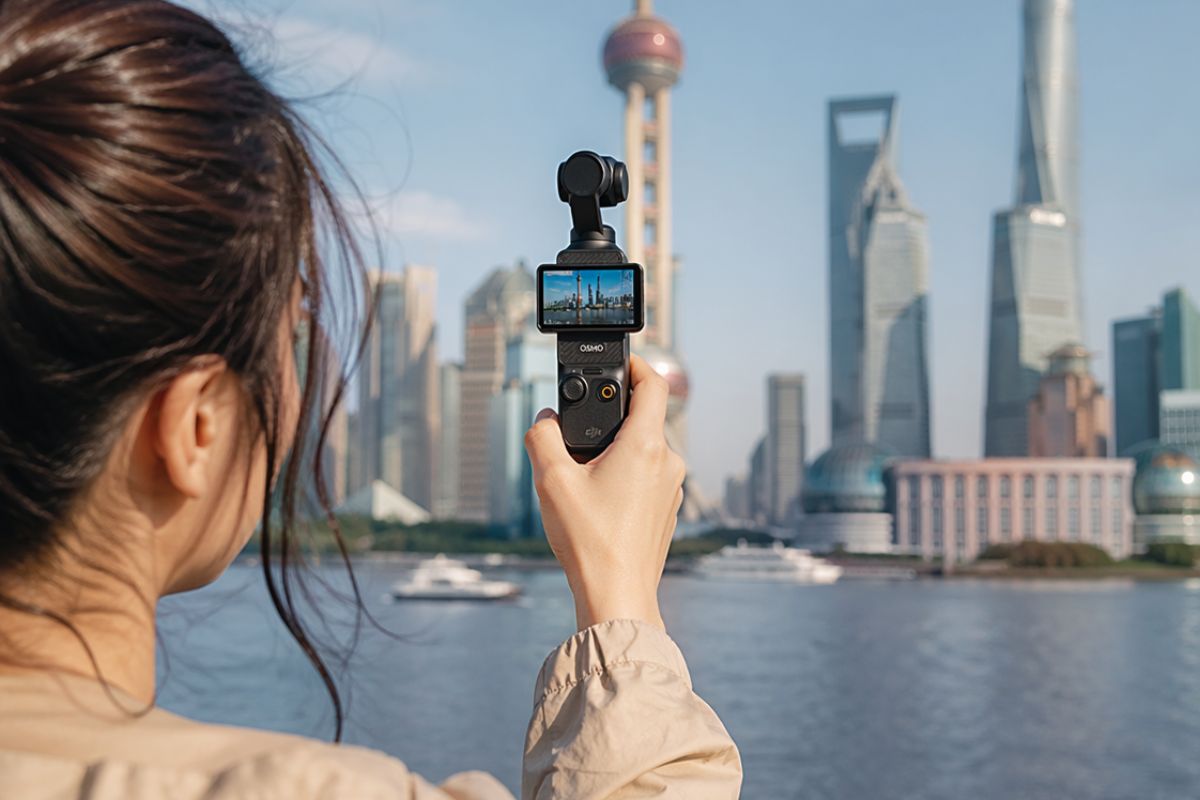
We remember filming a sunset in Edinburgh last winter where any other small camera would have turned the shadows into a grainy mess. The Pocket 3 kept it clean. Plus, that rotatable screen is just satisfying. Flip it to wake it up, and you’re recording in two seconds. It’s the ultimate “no excuses” camera.
Also Read: What To Expect From Clarkson’s Farm Season 5 As Release Date Is Confirmed
Sony ZV-E10 II: The Reliable Workhorse
Sony’s ZV line has basically become the uniform for YouTubers, and the ZV-E10 II is why. It’s an APS-C mirrorless, meaning you can swap lenses. Want that blurry “pro” background? Put on a prime lens. Need to show off a massive landscape? Switch to a wide-angle. The crazy part is the “Product Showcase” mode. If you’re a reviewer, you know the pain of the camera refusing to stop focusing on your face when you hold up a product.
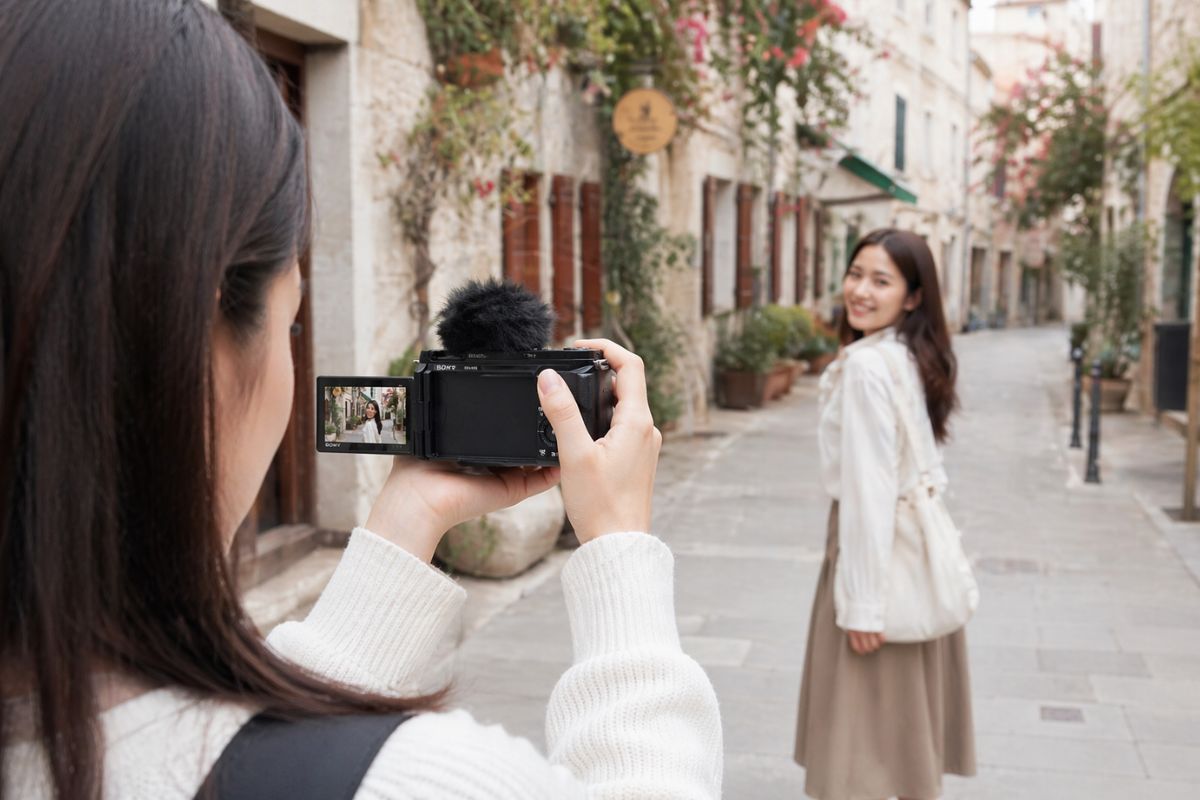
This Sony just gets it. It snaps to the object immediately. And DPReview’s most recent assessment for 2026 says its 4K video (which is using a lot of data to create the image) is among the clearest you’ll find at this price.
Fujifilm X-S20: Aesthetics Without the Effort
Many enjoy fiddling with colours for ages, and many don’t. The Fujifilm X-S20 is for people who want their video to have a cinematic look instantly, as soon as they’ve finished recording. Fujifilm’s “Film Simulations” are famous and deservedly so, as they give skin a lovely, realistic, and vibrant appearance, even with the bad lighting you get in British supermarkets. The X-S20 also has a dedicated “Vlog” mode on the dial.
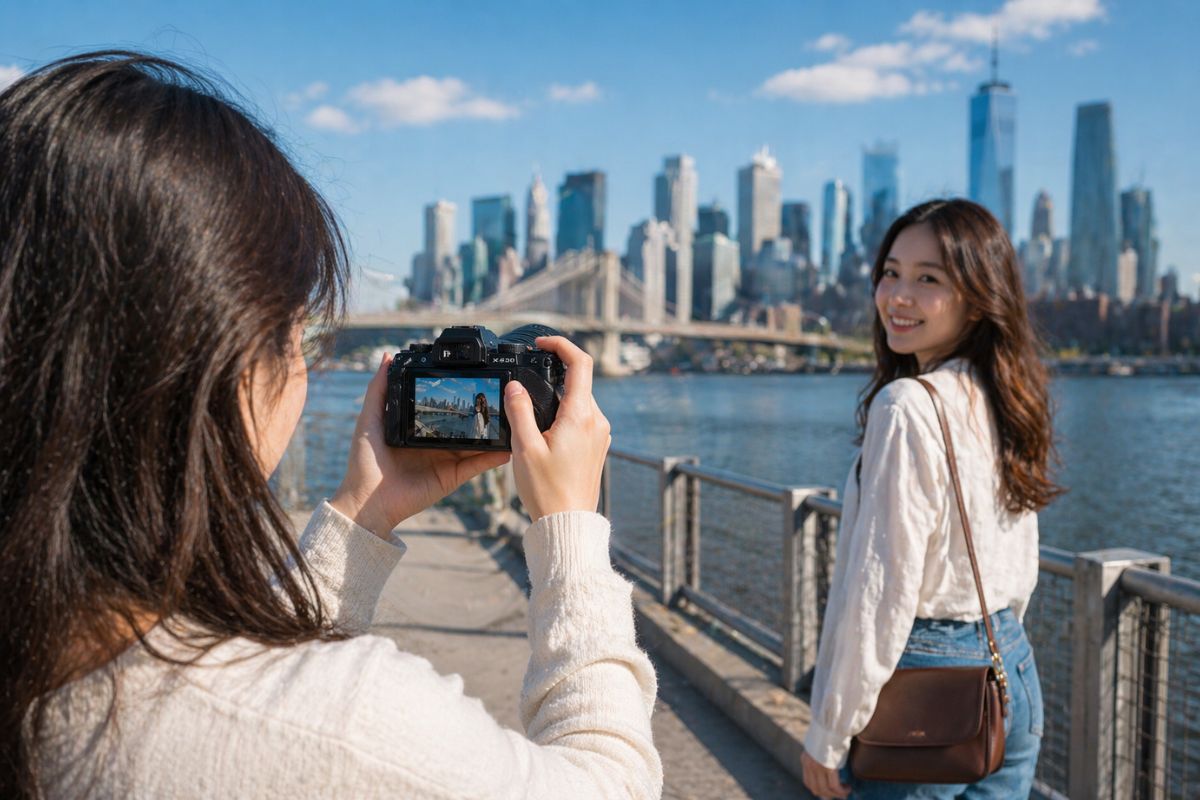
It simplifies everything: one tap for background defocus, one tap for face priority. It’s built for the person who wants to be a creator, not a technician. And honestly? The battery life is a beast. You can get through a whole day at a festival without frantically looking for a power bank.
Sony ZV-E1: The “I’ve Made It” Camera
If you have the money and want your videos to have that polished look of a Netflix documentary, the ZV-E1 is as good as it gets. Full-frame is what professionals consider the best for picture quality. But the amazing thing about it is the AI auto-framing. So, you are making a video of yourself cooking, and you put the camera on your kitchen counter, going back and forth between the stove and the refrigerator.
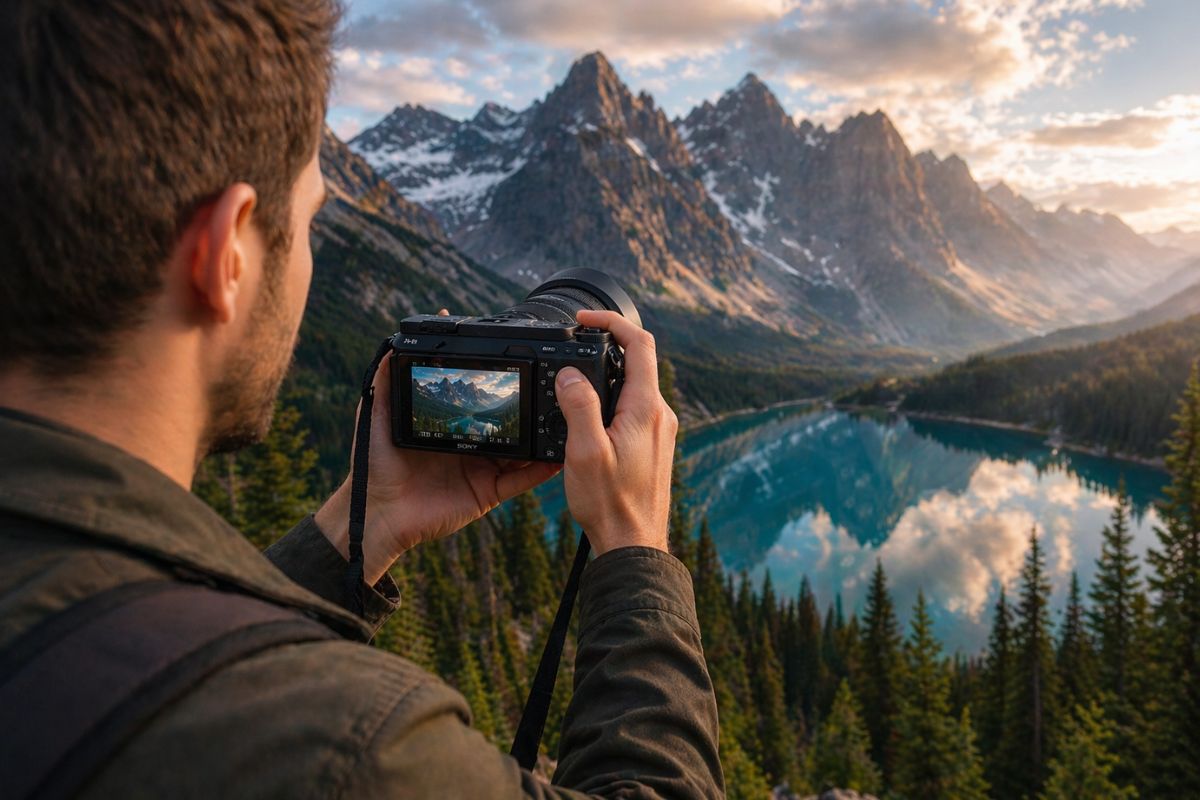
The ZV-E1 will zoom in on the 4K picture and smoothly follow you by reframing, all while the camera itself stays in one place. It’s as if you have an invisible camera operator. It’s certainly pricey, but for people creating content on their own who need to appear as if a whole team are involved, it’s unbelievably helpful.
Nikon ZR: The Audio Revolution
For a long time, Nikon was the underdog in video, but the ZR changed that. This camera is built like a tank and features something called 32-bit float audio. In plain English? It’s impossible to “clip” your audio. If you’re filming a quiet whisper and a bus suddenly screeches past, the camera captures both perfectly. You can fix the levels in editing without any distortion.
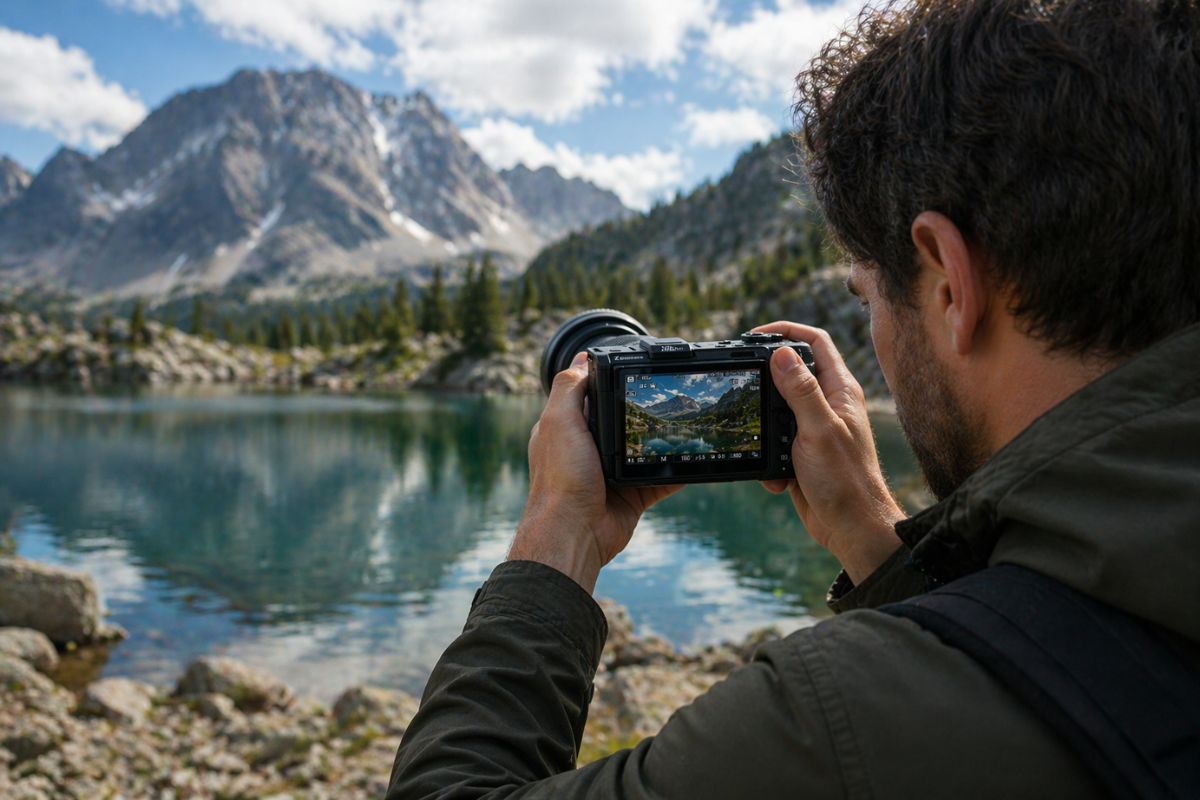
As noted by Nikon’s 2026 Cinema specs, this feature is a world-first for an in-camera system. If you film in loud, unpredictable environments, this capability might be the most important feature you didn’t know you needed.
Canon PowerShot V1: The Compact Comeback
Canon finally stopped trying to make vlogging cameras look like old-school photography gear. The PowerShot V1 looks like a futuristic smartphone with a lens. It has a built-in stand, so you don’t even need a tripod for most shots. It’s surprisingly powerful for its size. Digital Camera World actually called it a “Sony killer” for its ease of use and superior internal mics.
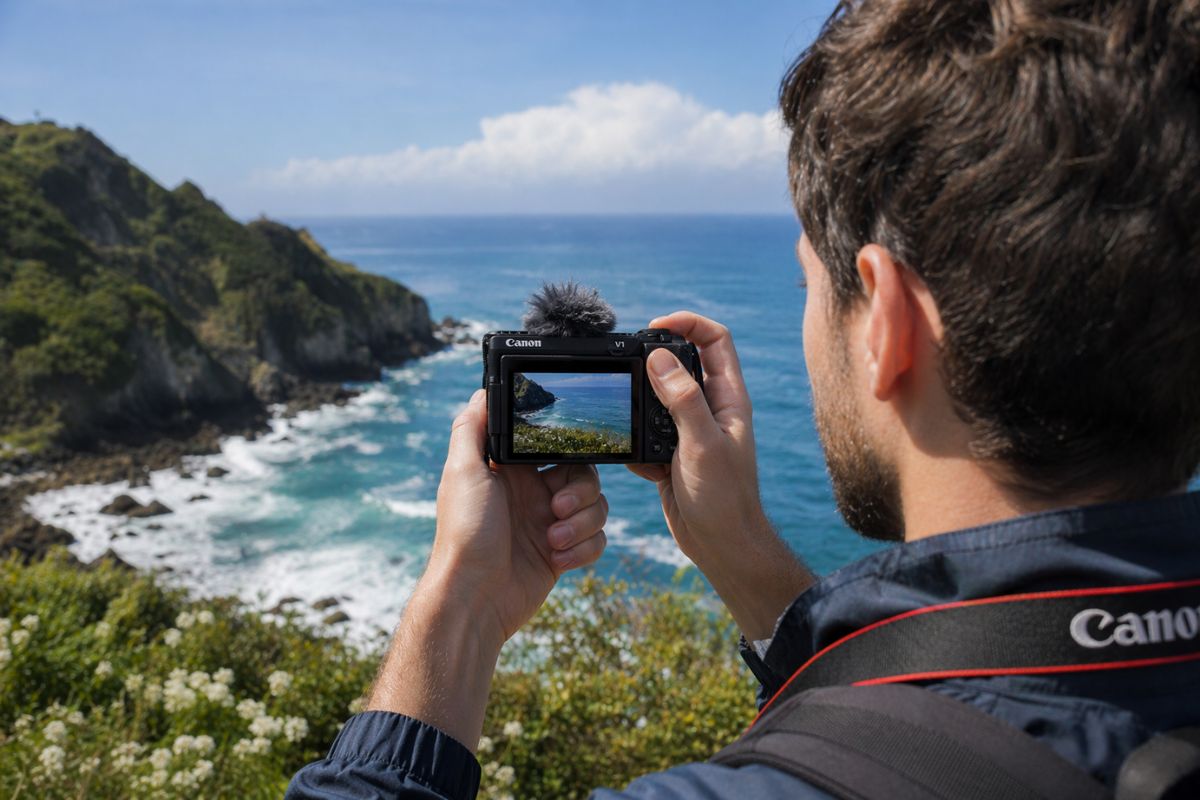
The built-in fan is a huge deal too—it’s almost impossible to overheat this thing, even if you’re filming a 4K marathon in the summer heat. It’s the perfect grab-and-go tool for TikTok and Reels.
Quick Comparison: Which One Fits Your Vibe?
| Best For… | Model Recommendation | Why It Wins in 2026 |
|---|---|---|
| Effortless Stability | DJI Osmo Pocket 3 | Mechanical gimbal; no digital cropping. |
| Audio Reliability | Nikon ZR | 32-bit float audio; impossible to “clip” sound. |
| Aesthetic Colours | Fujifilm X-S20 | Film simulations; zero colour grading required. |
| Solo Production | Sony ZV-E1 | AI Auto-Framing mimics a human cameraman. |
| All-Day Versatility | Sony ZV-E10 II | Access to 60+ Sony E-mount lenses. |
| Stealth Vlogging | Canon PowerShot V1 | Built-in stand and cooling fan for long takes. |
If you’re stuck between them, just think about your biggest “pain point” right now. If it’s shaky footage, get the DJI. If it’s bad sound, go for the Nikon. You can’t really go wrong with any of these in 2026.
FAQs: What You Need to Know
Do I need an external microphone?
Cameras like the Nikon ZR and Canon V1 have awesome internal mics, but if you’re doing pro work, a purpose-made lavalier or shotgun is always recommended. The most common reason for people clicking away from the video is subpar audio.
Is full-frame worth the extra money?
Only if you really need that “blurry background” kind of feel or shoot many scenes in the dark. For documenting YouTube and social media, all you really need is an APS-C (like the Sony ZV-E10 II).
Can I vlog with my phone instead?
You can, but the moment you try to film in low light or need a wider angle without distorting your face, you’ll see the limit. These great cameras for vlogging exist because they do things a phone simply can’t.
What is 32-bit float audio?
It’s a way of recording sound that captures a massive range of volume. It means you can crank your audio without worrying about it being too loud (i.e., cracking) or too quiet (i.e., hissy).
Where is the best place to buy gear in the UK?
Stick to pro shops like Wex Photo Video or Jessops. Physically, they tend to have longer warranty periods and better employees who understand how the cameras they’re selling work. Choosing a camera is a personal thing. Focus less on the specifications, but rather find something that feels comfortable in your hand and makes you want to take it outside to shoot! The size of the sensor matters less than your story at the end of the day.
Also Read: How To Choose The Best iPhone 17 Pro Case For Protection And Style
Sources & References
- Best Cameras for Vlogging in 2026: The DPReview Guide – The definitive technical breakdown for the 2026 market, including silver award winners like the Nikon ZR and DJI Osmo Pocket 3.
- Wex Photo Video: Sony ZV-E10 II Specifications and UK Pricing – Direct product data from the UK’s leading specialist camera retailer regarding lens compatibility and local “Vlogger Kit” bundles.
- TechRadar: DJI Osmo Pocket 3 Verdict and 1-inch Sensor Analysis – A deep dive into why the mechanical gimbal remains the standard for stabilised “walk-and-talk” content.
- Pro Moviemaker: Nikon ZR 32-bit Float Audio Field Test – An expert review of the first consumer-grade camera to offer internal 32-bit float audio, a key trend for April 2026.
- Digital Camera World: Fujifilm X-S20 for Content Creators – Detailed testing of Fujifilm’s dedicated vlog modes and its “open-gate” 6.2K recording capabilities for social media cropping.
- Sony ZV-E1: Professional Full-Frame Vlogging Performance – Real-world long-term usage notes on the AI Auto-Framing and low-light performance of Sony’s premium vlogging body.
- Idealo UK: Canon PowerShot V1 Market Price Tracker – Live pricing and availability data for the UK market as of 22 April 2026.
Recommended