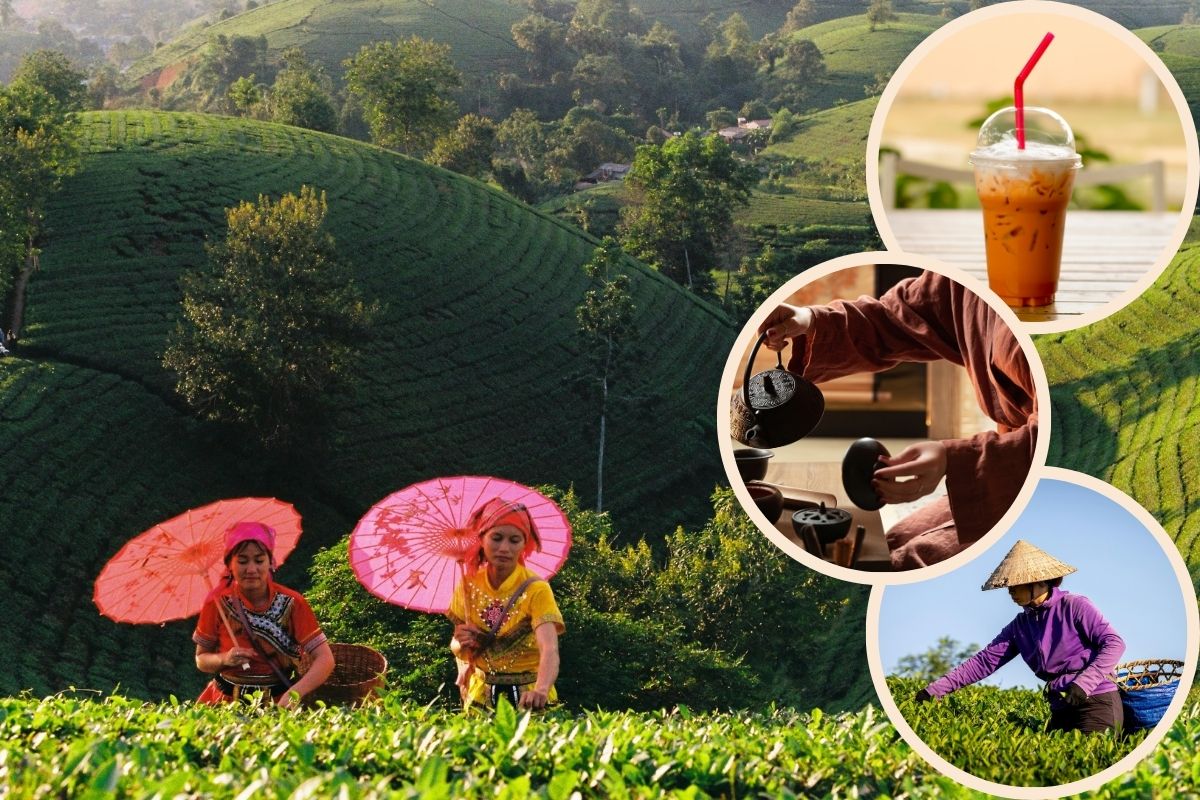
The first time Thai tea hit me properly, it wasn’t in Thailand. It was in a small takeaway spot on a damp UK high street, the kind with fogged-up windows and a menu board written in marker that’s seen better days. I’d popped in for noodles. Nothing deep. Just hungry. Then the cashier slid this tall plastic cup across the counter. Orange as a traffic cone. Condensation beading on the sides. A swirl of pale milk on top, like someone had poured cream into a strong coffee and stopped halfway. One sip and my brain did that little double-take. Sweet, yes. But not just sweet.
There was a black tea bite underneath, some spice, and that creamy finish that makes you want to keep going even when your sensible side is tapping you on the shoulder. And that’s the whole Thai tea story in miniature. It looks loud. It tastes comforting. It’s easy to fall for. Then, once you’re hooked, you start asking the questions people always ask once something becomes popular. Why is it orange? What’s actually in it? Is the “authentic” version different? And why, suddenly, is everyone in the UK acting like a cup of Thai tea is a lifestyle choice?
Here’s the thing. Thai tea didn’t just drift into Britain and sit quietly in the corner. It arrived, got photographed, got copied, got twisted into a hundred versions, and ended up right where modern food trends love to land: in your feed, in boba shops, and in that “treat drink” category that feels harmless until you look at the sugar. So let’s tell you all about the real story of Thai tea, from street-style classics to what people are doing with it now.
The Surprising Reality of the “Orange Secret”
If you grew up assuming tea is brown, Thai tea can look almost suspicious. That bright orange tone feels like it must be some ancient secret. Spices. Flowers. Something mystical. The reality is more ordinary. Food writers have traced the modern colour partly to marketing and partly to expectations. Food & Wine points out that, as Thai food spread in North America, cooks started adding bright orange food colouring, plus more sugar and spices, shaping what many people now picture as “Thai iced tea”.
That doesn’t mean older versions had zero colour. Some traditional mixes used spices and ingredients that could warm the tone. But the neon orange most people recognise today often comes from colouring added to the tea mix. It’s not a moral failing. It’s just how popular drinks travel. They get tweaked to match what customers think they should be. And once you know that, you stop chasing the colour as proof of authenticity. You start paying attention to what actually matters: the tea base, the sweetness, and the way the milk is layered.
Also read: Manchester United After the Amorim Sack
Why Thai Tea is a Masterclass in Contrast
A proper Thai iced tea-style drink is basically a balancing act. You brew strong black tea, often something like Ceylon or Assam-style tea, in many recipes. You sweeten it while it’s hot so everything dissolves. Then you cool it down and pour it over a lot of ice. Don’t limit yourself to just three cubes. A full glass of crushed ice if you want that street drink feel. Then comes the milk. Sweetened condensed milk provides body and richness.
Evaporated milk is frequently poured over the top to achieve that pale, marbled look. Hot Thai Kitchen describes that classic approach: a tea base with condensed milk mixed in, poured over ice, then topped with evaporated milk. It tastes like comfort because it hits a bunch of buttons at once. Strong tea edge. Creamy softness. Sugar. Cold. It’s basically built to be addictive in the polite, legal sense. And yes, it’s also built to be customised. Which is why Thai tea has turned into a playground for modern drink shops.
From Restaurant Side Drink To “Order It First”
You can feel the change in how people talk about it. A few years back, Thai tea was something you got with your pad thai, almost like a bonus. Now it’s the reason people walk into a shop. It’s on menus next to matcha, taro, and fruit teas, and it’s often filed under “milk tea” in the bubble tea world.
That bubble tea world is not small in the UK anymore. According to Fortune Business Insights, the top bubble tea brands at play in the UK are Bubbleology, Mooboo, Gong Cha, and Chatime—and it adds that growth is on the way. And so Thai tea has become integrated into a broader British habit of treating drinks like snacks and snacks as events. People aren’t just thirsty. They want a little moment. A little treat. A reason to post. And that’s where 2026 trends come in.
Also read: What’s Ollie Locke Actually Been Up To Lately?
Sweet Heat And The Pistachio Problem
If you’ve been online at all lately, you’ll have seen the rise of swicy flavours, that sweet and spicy combo that turns up everywhere from sauces to sweets. Kerry’s 2026 taste charts have talked about sweet and spicy contrasts gaining momentum. And Business Insider recently noted “sweet and spicy” as one of the big 2026 food trends, based on remarks from McDonald’s CEO. That trend has spilled into drinks, too. In practice, it looks like Thai teais being paired with chilli, ginger, or spicy fruit syrups. Not everyone’s cup of tea, literally.
But it fits the moment. Then there’s pistachio. Pistachio has been having a loud year, and it’s not just a café thing. The Guardian reported that pistachio prices surged by nearly 35% in a year, linked to demand driven by viral trends, including the “Dubai chocolate” craze. So now you see pistachio Thai tea variations, pistachio cold foam, pistachio drizzles. Some of it is genuinely good. Some of it tastes like someone melted a dessert and hoped for the best. But it tells you something important. Thai tea has become a base, not just a finished drink. Like espresso. Like cola. People build on it.
The Sugar Question
Thai tea can be a sugar bomb. Not always, but often. The classic recipe leans hard on sweetened condensed milk and added sugar. And most shop versions don’t hold back either, because sweetness is part of the signature. Healthline points out that Thai tea commonly contains a significant amount of added sugar and flags that a single serving can carry a large chunk of a typical daily added sugar limit. So if you’re having it as a treat, fine.
Live your life. But if you’re knocking back a huge cup every day and wondering why you feel a bit wired, then a bit flat, well, there’s your answer. The good news is that the UK bubble tea scene now expects custom sweetness. “Less sweet” has become normal. Some shops offer half sugar or let you pick your level. And that’s not a boring detail. It’s the difference between a drink you enjoy once in a while and one that quietly hijacks your afternoon.
How To Spot A Good One
You don’t need to be an expert to tell if a Thai tea is good. Your mouth will tell you. A solid one tastes like tea first, not like melted sweets. It has that slight tannic edge that black tea brings, even under milk and sugar. If it tastes flat and only sugary, it’s usually because the tea brew is weak or drowned. The texture matters too. The ice should dilute it slowly, not turn it watery in two minutes. The milk should feel creamy, not greasy.
And if it’s a shop version with pearls or toppings, they should taste fresh. Stale tapioca has a weird, plasticky chew that ruins everything. And if you’re making it at home, follow the boring rule people skip. Brew it strong. Hot Thai Kitchen’s method leans into that strong tea base before you add dairy and ice. That’s how you keep the flavour when everything chills down.
Also read: What To Actually Watch On Netflix UK Right Now Without Wasting Your Evening
The Bottom Line: Why Thai Tea is the UK’s New Permanent Perk
This is my slightly opinionated take, so take it as such. Thai tea is popular in Britain for the same reason so many “treat drinks” are popular. Life feels full-on. People want comfort that’s quick, portable, and a bit theatrical. People seek comfort that is cold, sweet, and familiar, with just the right amount of spice to add intrigue. And because Thai tea sits at the crossroads of restaurant culture, bubble tea culture, and social media, it keeps evolving.
Some versions chase nostalgia. Some chase novelty. Some chase wellness vibes with ginger or turmeric thrown in. Not all of it works, but that’s part of the fun. Still, the core of it stays the same. Strong black tea. Sweetness. Milk. Ice. That first sip that makes you pause for a second and think, ‘Alright then, this is why people won’t shut up about it. So, next time you see that bright orange cup, here’s a simple question to ask yourself before you order. Do you want the classic comfort version, or are you about to go bold with a swicy chilli mango pistachio cold foam situation and pretend you meant to do that?
Sources and References
- Fortune Business Insights (2025/26): U.K. Bubble Tea Market Size, Share & Growth Analysis [2032]. A breakdown of the major brands (Bubbleology, Mooboo, Gong Cha) and the projected $119M growth in the UK.
- Kerry Global Taste Charts (2026): The Rise of “Swicy” and Maximalist Flavors. Insights from 1,200+ scientists on why “sweet and spicy” and extra-rich milk teas are dominating 2026.
- Food & Wine: The Colorful History of Thai Iced Tea. Detailed exploration of how marketing in North America shaped the orange aesthetic we know today.
- Tea Chest Hawaii: Thai Iced Tea: A Multi-Cultural Phenomenon. On the Western influences and the spice blends (star anise, cardamom) that define the drink’s profile.
- Chowhound: Why Is Thai Iced Tea Orange?. An investigation into the use of food coloring and the move toward “distinguishing” tea from coffee.
- Hot Thai Kitchen (Pailin Chongchitnant): The Authentic Thai Iced Tea Guide. The gold standard for the “Thai Style” method is using condensed and evaporated milk.
- Healthline: Thai Tea: Nutrition, Benefits, and Downsides. A critical look at the sugar content and caloric density of commercial Thai tea mixes.
- The Spruce Eats: Authentic Thai Iced Tea Recipe. A guide to making the drink without artificial dyes using loose-leaf tea and traditional spices.