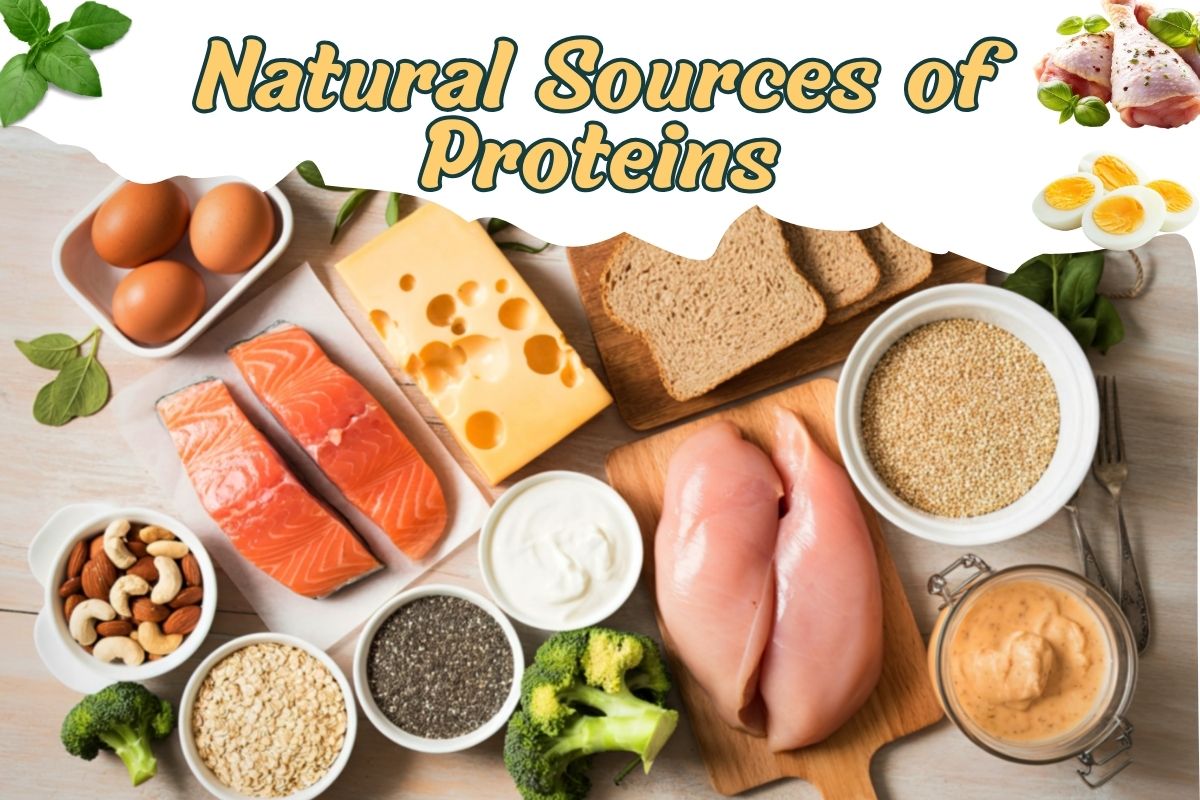
The protein panic always starts the same way. A mate mentions they’re “not getting enough”. Someone on TikTok swears cottage cheese is the answer to everything. A gym app blinks a target number you’ve never reached in your life. Then you go to open the fridge, gaze into its cold light and question whether you should maybe just start subsisting on chicken and sadness.
Honestly, you don’t. Most adults in the UK get adequate protein. The British Nutrition Foundation asserts the average intake is fine, and a more important factor is obtaining it from a good mix of foods, rather than craving additional scoops and bars. Yet there’s a reason why people continue to chase the dream of natural sources of proteins.
Protein helps you feel full, fuels muscles, and (I think) can make a meal seem … whole-ish. It’s also a super easy way to feel more routine in your regular eating, especially if you’re looking to lose weight or gain strength, or you want to stop snacking on chips at 10 pm like a raccoon. So let’s go through the natural sources of proteins that are rea,l as well as portions to be consumed. And because life is busy, every option below is something you can actually buy in a shop.
Protein at a Glance
- Top 3 Budget Wins: Eggs, Tinned Tuna, Lentils.
- Top 3 Convenience Wins: Skyr, Cottage Cheese, Rotisserie Chicken.
- The “Gold Standard”: Chicken Breast (Approx. 32g protein per 100g).
- The Plant Hero: Quinoa (A rare “complete” plant protein).
Chicken Breast
Chicken breast is the classic because it’s simple. You can roast it, grill it, chuck it in a wrap, slice it over salad, or stir it through a curry that tastes like home. It’s also high in protein for its size. The British Nutrition Foundation lists grilled chicken breast (no skin) at about 32 g of protein per 100 g. The main trap is how it’s cooked. If it ends up breaded, fried, and served with chips, it’s still food, but it’s not the same “lean and steady” option people mean when they talk about protein. If you want it to stay light, keep it simple. Oven. Pan. Air fryer. And season it properly. Dry chicken is a crime.
Also read: Swicy, Salty, and Strongly Brewed: The Brave New World of Thai Tea
Turkey Breast
Turkey is chicken’s quieter cousin, having less hype but the same job. It’s handy if you get bored with chicken or if you want something that feels lighter but is still satisfying. Turkey also works well cold, which makes it good for packed lunches. The key is choosing the plain stuff. Some sliced turkey products come with loads of salt. If you’re buying it ready to eat, check the label. If you’re cooking it fresh, you control the lot. And yeah, turkey mince can be a decent swap in chilli or pasta sauces when you want a change from beef.
Eggs
Eggs are one of the easiest wins in the kitchen. Fast. Cheap. Flexible. They also bring more than protein. The NHS points out that eggs are a source of vitamin D, which many people in the UK fall short on, especially in darker months. Two eggs on toast can turn a flimsy breakfast into something that actually holds you. Add beans if you want to feel like you’ve got your life together. Or just scramble them and move on with your day. And no, eggs don’t need fancy handling. Boil a few, keep them in the fridge, and suddenly you’ve got a backup snack that isn’t a biscuit.
Tinned Tuna
Tinned tuna is the workhorse of natural sources of protein. It’s not glamorous, but it’s there when you need it. The British Nutrition Foundation lists canned tuna in brine at about 24.9 g of protein per 100 g. It’s also easy to build a meal around. Tuna and jacket potato. Tuna mayo sandwich. Tuna mixed into pasta with sweetcorn. Not fancy. Just solid. If you eat tuna often, keep an eye on the general advice around fish intake. Mixing it up with other fish is a good habit.
Salmon
Salmon is protein plus extra perks. It’s one of those foods that makes a meal feel like you’ve made an effort, even if all you did was shove it in the oven and set a timer. The NHS Eatwell guidance says aim for at least two portions of fish a week, with one being oily fish like salmon, sardines, or mackerel. Salmon isn’t always cheap, so nobody needs to pretend it’s a daily thing. Frozen salmon can help with cost, and tinned salmon works too, even if it looks a bit odd at first glance.
Also read: What To Actually Watch On Netflix UK Right Now Without Wasting Your Evening
Greek Yoghurt or Skyr
This is the one that’s taken over supermarket shelves. And for good reason. Greek yoghurt and skyr tend to pack more protein than standard yoghurt, and they’re easy to use. Breakfast bowl, quick snack, base for a sauce, swap for cream in some recipes. Cambridge University Hospitals puts Greek-style yoghurt on its high-protein diet guidance, which tells you it’s not just a social media phase. If you’re buying it for protein, go for plain versions more often. Flavoured ones can be lovely, but some are basically pudding in disguise.
Cottage Cheese
Cottage cheese has had a very British comeback. For years, it was stuck in the “sad diet food” corner. Now it’s everywhere, and people are doing all sorts of things with it. AHDB reported cottage cheese gaining share in the cow cheese category, linked to rising interest in natural, high-protein dairy. It’s also easy to use. You can have it on toast with pepper or mix it with cucumber and herbs. Stirred into scrambled eggs. You can also eat it straight from the tub like a tired adult who can’t be bothered. It’s not for everyone. The texture is a deal breaker for some. Fair enough. But if you like it, it’s a handy, quick protein option.
Lentils And Pulses
Lentils, beans, and chickpeas are the budget heroes. The NHS Eatwell advice calls pulses a good alternative to meat, low in fat, and a good source of fibre and protein. The British Heart Foundation also points out that pulses are cheap, high in fibre, and can help with cholesterol, plus they can count towards your five a day. This is where the “fullness” factor really kicks in. Fibre plus protein can keep you going for ages. If you’re new to lentils, start easy. Red lentils cook down into soups and dals. Tinned chickpeas can go in salads or curries. And beans can bulk up mince dishes so you use less meat without feeling deprived.
Tofu Or Tempeh
Tofu has a bad reputation because people make it poorly and then blame tofu for their misery. When it’s good, it’s great. It soaks up flavour. It crisps nicely. It has a place in stir-fries, curries and yes, even sandwiches. Tempeh is denser, with a more nutty flavour, and usually suits those who want a stronger bite. According to the British Nutrition Foundation, it’s best to obtain protein from a range of foods, including plant options like beans and lentils. And the British Heart Foundation has also been pushing meat-free protein ideas as part of heart-friendly eating. If you try tofu once and hate it, it might just be the method. Press it, season it, and give it proper heat. It needs a bit of care.
Also read: Manchester United After the Amorim Sack: Can Michael Carrick Steady the Ship?
Nuts And Seeds
Nuts and seeds are brilliant, but they’re sneaky. A small handful turns into a big calorie hit fast, because they’re energy-dense. Still, they’re a useful protein add-on, and they’re easy to keep around. Pumpkin seeds on yoghurt. Almonds in porridge. Peanut butter on toast. This is also where “natural” matters. Lots of snack packs get coated in sugar, salt, or flavourings that turn them into something else. Plain nuts and seeds, or lightly roasted, tend to be the best bet. And if you want a simple trick, add a spoonful of seeds to meals you already eat. No big lifestyle change. Just a nudge.
Quinoa
Quinoa is one of those foods that you either adore or ignore. It’s a seed that cooks like a grain and is an easy swap to make when you’re bored of rice. It is a “complete protein” (it has all 9 amino acids), and that’s why it’s one of the best natural sources of protein.
BBC Good Food notes that combining pulses and grains can cover essential amino acids within a meal, a good rule of thumb when thinking about going plant-based. Quinoa is often a go-to in that same “build a bowl” style because it gets along so nicely with beans and veg and a good dressing. You should rinse it well before cooking, because otherwise the flavor can be bitter. That’s the main tip. Everything else is just preference.
Quick Reference: Natural Protein Sources
| Source | Approx. Protein | The “Fit Real Life” Perk | Best Way to Eat It |
|---|---|---|---|
| Chicken Breast | 32g per 100g | The “Gold Standard” lean choice. | Air-fried or sliced in a home-style curry. |
| Turkey Breast | 29g per 100g | Chicken’s lighter, quieter cousin. | Cold in packed lunches or as mince in chilli. |
| Eggs | 7g per egg | Fast, cheap, and packs Vitamin D. | Scrambled or boiled as a “non-biscuit” snack. |
| Tinned Tuna | 25g per 100g | The pantry workhorse. | Mixed with sweetcorn on a jacket potato. |
| Salmon | 20g per 100g | Heart-healthy Omega-3s. | Baked simply in the oven with a timer. |
| Skyr / Greek Yogurt | 10g per 100g | Not a phase—high protein density. | Breakfast bowl or a creamy sauce swap. |
| Cottage Cheese | 11g per 100g | The 2026 comeback king. | On toast with pepper or straight from the tub. |
| Lentils & Pulses | 9g per 100g | Budget hero; high in fibre. | Bulking up mince or in a comforting dal. |
| Tofu / Tempeh | 8g–20g per 100g | Complete plant-based versatile base. | Pressed, seasoned, and hit with proper heat. |
| Quinoa | 4g per 100g | The “Complete Protein” seed. | Rinsed well and used as a grain swap. |
Note: Most values are for cooked/drained weights. Use the “Palm Rule” for portions—one portion of protein should roughly fit the size of your palm.
Also read: What’s Ollie Locke Actually Been Up To Lately? The Real Story Behind the Made in Chelsea Favourite
What This Looks Like In A Normal Week
Here’s the calm truth. You don’t need to pick one protein food and marry it. It’s best to mix sources based on budget, taste, and nutrition. Protein foods sit in the wider context of the NHS Eatwell guidance, which also includes recommendations for veg, carbs, dairy or alternatives and healthy sources of fats. So aim for variety. Chicken one day, lentils the next. Eggs for breakfast sometimes. Yoghurt as a snack. Eat fish, if you can, a couple of times a week. That’s it.
And if you’re a shopper wanting to spend less in 2026, the trend is already clear in the UK. People are relying on natural protein sources that feel easy and familiar, including high-protein dairy like cottage cheese, as well as inexpensive staples like pulses. So, quick question before you go. Which one are you actually going to eat this week, not just read about and forget by lunchtime?
Sources and References
- British Nutrition Foundation (BNF): Protein – Sources, Functions and Requirements. https://www.nutrition.org.uk/nutritional-information/protein/
- NHS Eatwell Guide: Fish and Shellfish Nutrition & Oily Fish Guidelines. https://www.nhs.uk/live-well/eat-well/food-types/fish-and-shellfish-nutrition/
- NHS Conditions: Vitamin D Sources and Sunlight. https://www.nhs.uk/conditions/vitamins-and-minerals/vitamin-d/
- British Heart Foundation (BHF): How to get protein without the meat. https://www.bhf.org.uk/informationsupport/heart-matters-magazine/nutrition/protein/how-to-get-protein-without-the-meat
- Cambridge University Hospitals (CUH) NHS Trust: High Protein and High Calorie Diet Sheet. https://www.cuh.nhs.uk/patient-information/high-protein-diet/
- Agriculture and Horticulture Development Board (AHDB): Consumer Insight: High Protein Dairy Trends. https://ahdb.org.uk/news/consumer-insight-consumers-demand-natural-high-protein-dairy-products
- BBC Good Food: The Best Sources of Protein for Vegetarians and Vegans. https://www.bbcgoodfood.com/health/best-sources-protein-vegans