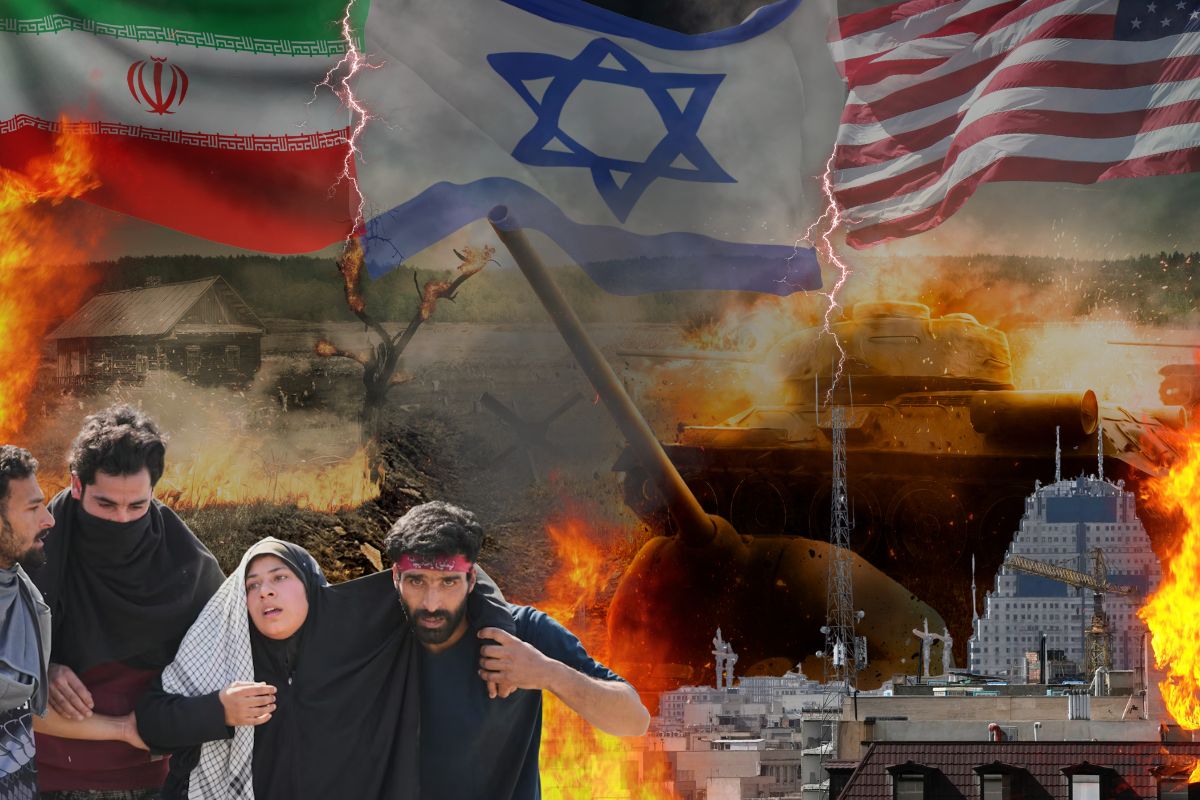
Escalation between Iran and the United States has spiraled into a multi-country humanitarian emergency. And it’s not some distant headline, either. Millions of people are caught up in it. Hundreds of thousands have been forced from their homes. Basic services are buckling, sometimes collapsing outright, as aid struggles to get through blocked routes and closed borders. It’s the kind of slow-burning disaster that doesn’t always make noise—but it changes everything for the people living inside it.
As exchanges between Iran and the United States intensified, the consequences pushed far beyond military sites. That’s usually how it goes, sadly. Civilian neighborhoods across several Middle Eastern countries are now dealing with direct strikes. Roads are cratered. Power grids are failing. Families are packing up whatever they can carry and leaving. Public services—healthcare, water, schools—are fraying at the edges or shutting down completely. Humanitarian agencies keep warning that without immediate pauses in fighting, more funding, and guaranteed access for relief convoys, this crisis won’t just linger. It will harden into something long and brutal.
The Human Scale
This escalation hasn’t created just one emergency. It’s layered, messy, and interconnected. Conservative operational estimates from humanitarian coordination bodies and UN briefings suggest that millions of people have been affected. Direct attacks, yes—but also service disruptions and economic shockwaves that ripple outward. In the hardest-hit areas, hundreds of thousands fled within days. Just days. Local shelters filled up fast. Host communities, already stretched thin, suddenly had to absorb wave after wave of displaced families. Hospitals, schools, and water systems have been damaged or knocked offline in multiple places. The result? Higher immediate death tolls. And, maybe even more worrying, rising medium-term public health risks.
Displacement patterns aren’t neat or predictable. Some families move within their own countries, bouncing from town to town. Others cross borders into neighboring states, hoping for safety. Host communities—many of which were already dealing with earlier crises—are now seeing sharp increases in demand for food, shelter, and basic services. You can feel the strain. Humanitarian agencies want to respond at scale, but logistics and security concerns keep getting in the way. Trucks can’t always pass. Staff can’t always deploy. It’s frustrating to watch, honestly.
Also Read: Phil Harres: The 6’4” Speed Machine Taking German Football by Storm in 2026
Key Humanitarian Needs
Health: The demand for trauma care has spiked. Emergency rooms are overwhelmed. At the same time, medical supply chains are faltering. Fuel for hospital generators is running low. Routine services—maternal care, immunizations, treatment for chronic diseases—are slipping through the cracks. That’s the quiet danger. When those systems fail, excess deaths follow. Outbreaks of vaccine-preventable diseases become more likely. It’s not dramatic in the way explosions are, but it’s devastating all the same.
Food and Livelihoods: Markets in affected areas have been shaken hard. Fuel shortages make transport expensive. Food prices climb. In places where markets still function, cash assistance tends to work best. It lets families choose what they actually need. Where supply chains are broken, though, in-kind food aid becomes urgent. There’s no workaround when shelves are empty.
Water, Sanitation and Hygiene (WASH): Water infrastructure has taken hits. Pipes are damaged. Treatment plants lack spare parts. Fuel shortages complicate everything. Safe water access becomes uncertain, and when that happens, waterborne diseases aren’t far behind. It’s a domino effect. One failure triggers another.
Protection: The risks aren’t distributed evenly. Women, children, older people, and persons with disabilities face heightened threats. Overcrowded shelters create tension. Social networks that once offered support are fractured. Exposure to sexual and gender-based violence increases. Family separation becomes more common. Exploitation follows instability—it always does. Children miss school. Some face recruitment or hazardous labor. It’s the kind of damage that lingers long after the headlines move on.
Barriers To Relief
Humanitarian organizations keep pointing to three barriers. They’re interlocked. Each one reinforces the others.
- Access Constraints: Roads are blocked. Bridges are damaged. Bureaucratic hurdles slow or stop convoy approvals. Entire communities remain out of reach, even when aid supplies are ready to go.
- Security Risks: Hostilities are ongoing. The threat of secondary strikes is real. Aid workers face serious danger, which limits how far and how fast operations can expand. No one wants to send staff into harm’s way without guarantees.
- Funding Shortfalls: Needs are rising quickly. Donor pledges aren’t keeping pace. Agencies are forced to triage. They prioritize life-saving interventions and postpone recovery efforts. It’s a constant balancing act, and it’s exhausting.
Without safe and sustained humanitarian corridors—without clear assurances that neutral operations can proceed—life-saving assistance will stay limited. That’s the uncomfortable truth.
Also Read: BBC Apology After BAFTA Racial Slur Sparks Live Broadcast Storm
Underreported Dimensions Amid The Iran-US War
Official briefings and mainstream coverage tend to highlight the scale of destruction and diplomatic appeals. Important, sure. But some angles remain underreported, and that matters.
- Local Voices: First-hand accounts from displaced families, local health workers, and community leaders don’t always make it into public reporting. Yet these perspectives shape smarter, protection-sensitive programming. Without them, responses risk missing the mark.
- Disaggregated Data: Detailed breakdowns by age, gender, and disability are limited. That gap makes it harder to design targeted assistance for those most at risk. Data sounds technical. It’s not. It’s about seeing people clearly.
- Long-Term Socio-Economic Impacts: Livelihoods are eroding. Education is disrupted for an entire generation of children. National budgets are under severe strain. These effects won’t disappear when the fighting pauses. Planning has to stretch beyond immediate relief. Otherwise, recovery stalls before it even begins.
- Environmental and Infrastructure Damage: Contamination from munitions, persistent fuel shortages, and long-term water system damage are likely to produce lasting public health and economic costs. Some of these consequences won’t be visible right away. They’ll surface slowly. And expensively.
- Accountability Mechanisms: Systems for documenting alleged violations and preserving evidence—while protecting survivors—need strengthening. Urgently. Without credible accountability, civilian harm risks becoming normalized. That’s a grim thought, but it’s real.
What Must Happen Now
Immediate (Days to Weeks):
- Humanitarian pauses must be negotiated. Safe corridors need to open. Mass deliveries of food, medical supplies, and shelter materials can’t wait.
- Flexible funding has to scale up quickly. Multi-sector responses should prioritize health, WASH, protection, and shelter. Not in theory. In practice.
- Emergency medical teams and trauma supplies should deploy without delay. Vaccine cold chains must be restored before preventable diseases take hold.
Short to Medium Term (Weeks to Months):
- Disaggregated needs assessments are essential. Assistance must be tailored for women, children, and persons with disabilities. One-size-fits-all approaches won’t cut it.
- Cash-based programming should expand where markets function. Livelihood recovery support needs to follow quickly. Families want dignity, not just survival.
- Schools should reopen through temporary learning spaces. Psychosocial support for children is critical. Trauma doesn’t just fade on its own.
Long Term (Months to Years):
- Health systems must be rebuilt with strong primary care foundations. Mental health services can’t remain an afterthought. They’re central to recovery.
- Water and sanitation infrastructure requires repair and rehabilitation. Environmental contamination must be addressed methodically. Ignoring it will cost more later.
- Coordinated documentation and independent investigation mechanisms should be established. Evidence needs preservation. Accountability should not be optional.
Conclusion
The Iran-USA escalation has evolved into a complex, multi-country humanitarian emergency. It’s messy. It’s urgent. Immediate diplomatic and operational steps—humanitarian pauses, guaranteed access, surge funding, and protection-focused programming—are essential to prevent deeper catastrophe. But that’s only part of it. There also needs to be a shift from short-term triage toward long-term recovery, accountability, and resilience. Because eventually, the guns will fall silent. And when they do, communities will still be there, trying to rebuild their lives from whatever remains. They deserve more than survival. They deserve a future.
Recommended