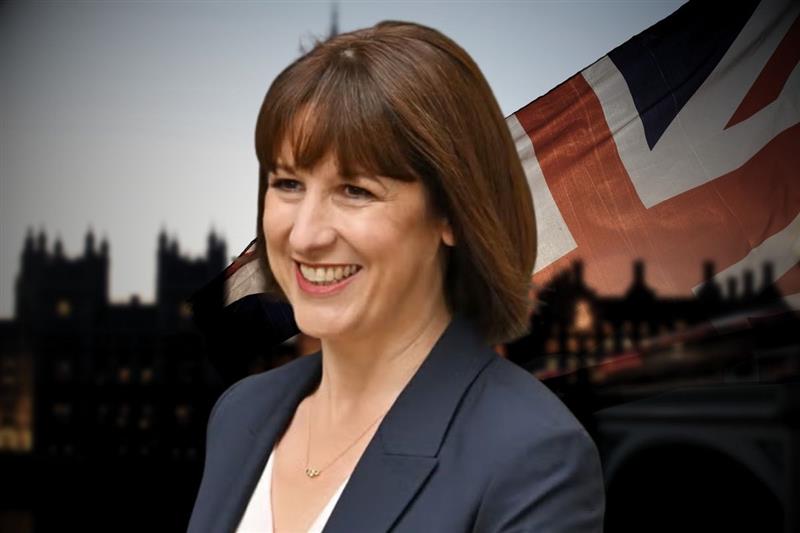
Rachel Reeves has just delivered her second budget and honestly, it’s a bloody mess. Not the sort of mess where everything blows up at once, but the slow creeping kind where you wake up in five years wondering why your payslip’s shrunk and your savings account’s getting hammered. She announced £26 billion in tax rises last week. That’s on top of the £40 billion she squeezed out of us in October 2024.
We’re talking about pushing the UK tax burden to 38% of GDP by the end of this Parliament. That’s a record. The highest it’s ever been. And here’s the thing. She’s not doing it with one big dramatic tax hike that everyone can point at and complain about. She’s doing it with dozens of little tweaks that most people won’t notice until it’s too late.
The Stealth Tax Problem
Rachel Reeves’ income tax thresholds are staying frozen until 2028. Sounds boring, right? But it’s brutal. When your wages go up but the tax threshold doesn’t, you get pulled into higher tax brackets without realising it. That’s called fiscal drag, and it’s bringing in £12.7 billion by the end of the decade. About 1.2 million more people are paying tax now because of frozen thresholds. If you’re earning £60,000 in Scotland, you’re paying an extra £1,200 compared to someone in England because of how Scottish tax bands work. Nobody’s screaming about it in the streets,
but your take-home pay’s getting squeezed month after month. The Office for Budget Responsibility reckons hundreds of thousands more older people will get dragged into paying tax over the next few years. Pensioners who’ve never had to worry about income tax are suddenly filling out forms because their state pension plus a tiny private pension nudges them over the threshold.
Also read: A Year of Limping Growth: What the UK Economy Really Looks Like
What She Actually Changed
So Chancellor Rachel Reeves is going to use the budget to announce tax rises; that was what everyone was saying for weeks. Then she did. Here’s what actually happened. The Employers’ National Insurance rate rose by 1.2% to 15% from April 2025. That raises £25 billion a year. Companies are paying it directly, but that means fewer jobs and skimpier wage increases for workers. Unemployment’s already gone from 4.2% to 5% since she took office. Capital gains tax got hiked too. The rates went up by five percentage points. Dividend taxes are climbing by two points from April 2026.
If you’ve got savings or investments, you’re getting hit harder. Rachel Reeves’s property tax changes include letting temporary stamp duty cuts expire. The tax-free threshold drops back from £250,000 to £125,000. That’s £1.8 billion a year by 2029. Plus there’s a new council tax surcharge on properties worth over £2 million starting in April 2028. Ranges from £2,500 annually for houses worth £2 to 2.5 million, up to £7,500 for homes over £5 million.
The Savings Hit
Rachel Reeves tax on savings is getting tighter too. Salary sacrifice pension contributions are being capped at £2,000 before National Insurance kicks in. That’s raising nearly £5 billion, but workers will see lower take-home pay and smaller pension pots. There’s talk about restricting the 25% tax-free pension lump sum to a maximum of £75,000 or £100,000. Anything above that would become taxable income.
Pension tax relief costs the government roughly £48 billion annually, so it’s a massive target. For people with defined contribution pensions, those pots will be subject to inheritance tax from April 2027. That’s a big change for anyone planning to pass wealth to their kids.
Why Rachel Reeves Tax Increase Slows Wage Growth in the UK
Here’s what nobody’s shouting about. When you increase employers’ National Insurance, businesses don’t just absorb the cost. They cut back. Fewer job openings. Smaller pay rises. Less hiring. The numbers back this up. Unemployment’s climbed every quarter since Reeves took office. From 4.2% to 5% in about 15 months. That’s not coincidental. When it costs more to employ people, businesses employ fewer people.
Wage growth gets strangled because companies can’t afford to give decent raises when they’re paying more in tax per employee. So yeah, ‘Rachel Reeves’s tax increase slows wage growth in the UK’ isn’t just a headline. It’s what’s actually happening to workers right now.
Also read: Simon Bird: From Briefcase Wanker to Star Wars
The Budget Shortfall Nobody Wants to Mention
And here’s where it gets properly worrying. Rachel Reeves’ tax increases may result in a budget shortfall and potential tax hikes again. The Office for Budget Responsibility downgraded growth forecasts for 2026 onwards. Lower growth means less tax revenue coming in naturally. Which means the gap between what she needs and what she’s got widens. She had £9.9 billion of headroom against her fiscal rules after the October budget.
Sounds like loads until you realise that’s basically nothing when you’re dealing with a £3 trillion economy. Any shock, any downturn, any unexpected expense and that cushion disappears. The problem is she’s locked herself into massive spending commitments. £22.6 billion extra for the NHS next year. £2.9 billion more for defence. All sorts of departmental spending increases.
Where’s that money coming from if growth stays weak? More taxes. That’s where. She’s already raised £66 billion across two budgets. There are only so many times you can go back to the same well before it runs dry.
What Rachel Reeves’ Tax Options Are Left
So what’s she got left to squeeze? Not much that won’t cause riots or break manifesto promises. Income tax rates themselves are off the table. Labour promised not to touch them. Same with VAT and the main corporation tax rate. That’s 70% of Treasury revenue she can’t directly increase. She could go harder on capital gains tax, but Treasury figures show that increasing CGT rates too much becomes counterproductive.
People just stop selling assets. Revenue drops instead of rising. Wealth taxes get mentioned a lot. A 2% tax on assets above £10 million sounds great until you realise most countries that try wealth taxes end up scrapping them. Capital flees. Revenue disappoints. It’s politically popular but practically useless. There’s been talk of an exit tax on wealthy people leaving the UK. A 20% charge on business assets when you emigrate.
That might raise £2 billion, but it also encourages people to leave before it comes in. Italy and the UK are the only G7 countries without exit taxes, but bringing one in now feels like closing the stable door after the horse has bolted. Consumption taxes like alcohol duty, tobacco, and airline taxes could go up. But those are small potatoes. They don’t raise serious money and they hit lower earners hardest.
The Corporate Tax Problem
Here’s something mental. The UK is leaving £11 billion in corporate tax on the table by not using transparency measures it’s had since 2016. Australia and EU countries started using these tools this year. They reduce multinational tax avoidance by over a quarter. But the UK hasn’t bothered. Just lets multinationals shift profits to tax havens without consequence. Meanwhile, Reeves is squeezing workers and pensioners for every penny. Corporation tax in the UK is 25%. In Ireland it’s 12.5%. Ireland collects more than three times the tax revenue per head of population despite charging half the rate. Why? Because low rates attract businesses. High rates just push them offshore.
Also read: The Mushroom Murder Case – What’s Happened to Erin Patterson Since Her Life Sentence
Where This Ends
Look, Reeves isn’t stupid. She knows this isn’t sustainable. But she’s painted herself into a corner. Promised not to return to austerity. Promised not to break fiscal rules. Promised growth. Can’t deliver all three at once. Growth forecasts are getting downgraded. The OBR expects weaker performance through 2029. Productivity’s not improving fast enough. Without productivity growth, you’re stuck in a doom loop where taxes rise slowly but constantly to fund spending commitments. She’s already done the biggest tax increases in three decades. Where does she go from here? More stealth taxes. More freezes.
More tweaks to thresholds and reliefs that most people won’t notice individually, but add up to thousands of pounds over time. The tax burden’s heading to 38% of GDP. That’s up from 36.4% now and over five points higher than before the pandemic. We’re all paying more and getting, well, about the same public services we had before. Maybe worse in some areas.
What You Should Actually Worry About
If you’re working, your effective tax rate’s climbing even if the headline rates stay the same. Frozen thresholds plus wage inflation equals paying more tax on the same real income. If you’ve got savings or investments, capital gains and dividend taxes are going up. Your returns are getting eaten faster. If you are a pensioner who has both a state pension and a relatively small private pension, your returns will likely decrease.
There is a good chance that you will begin paying income tax even if you previously did not. If you’re an employer or self-employed, costs are up, and margins are down. In other words, there will be fewer jobs, lower wages, and less investment. And if growth remains feeble, which the forecasts indicate it will, then Rachel Reeves’s tax increases may result in a budget shortfall and potential tax hikes may become a certainty, not a possibility. She’ll be back for more. Again and again.
The Bottom Line
Rachel Reeves has delivered £66 billion in tax rises across two budgets. The tax burden’s hitting record levels. Unemployment’s climbing. Growth forecasts are falling. And she’s running out of options that don’t involve breaking promises or tanking the economy. This isn’t some massive scandal that’ll dominate headlines. It’s the slow boring kind of economic pain that creeps up on you. One frozen threshold here.
One small rate increase there. A few extra duties on gambling and tobacco. It all adds up. By 2030, we’ll be paying more tax than any generation in modern British history. And for what? Public services that are still struggling. An economy that’s barely growing. A government that’s out of ideas except “tax more and hope for the best”. That’s where we are. December 2025. Record taxes. Weak growth. No plan except more of the same. Brilliant.