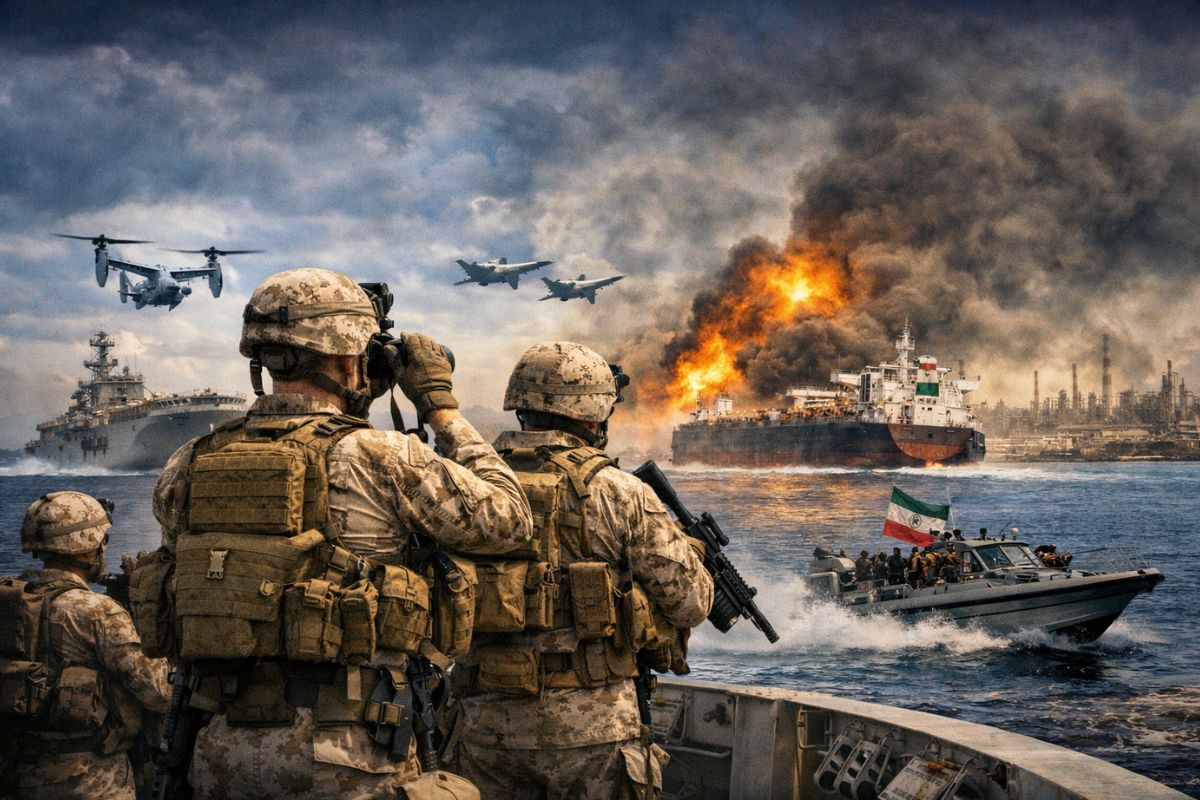
Energy markets and military command centres across the globe are on alert. Today, Friday, 20 March 2026, marks the shift in Middle East tension from scattered skirmishes to a regional crisis. The escalation is driven primarily by a request for billions of dollars in funding from the White House and a sweeping repositioning of American naval power. For those keeping an eye on the price of petrol at the pumps, there is grim news. Brent crude currently trades at about $119 a barrel. That spike comes on the heels of reports that the Strait of Hormuz—the world’s most critical oil chokepoint—has about 97% of its commercial traffic blocked off.
The $200 Billion “Epic Fury” Request
The financial scale of this conflict has reached a staggering milestone. According to reports from The Washington Post, the Pentagon has formally asked the White House to approve a $200 billion supplemental funding request. This money is intended to fuel what is being called Operation Epic Fury. Defence Secretary Pete Hegseth defended the request during a briefing yesterday, noting that the first six days of active combat alone burned through approximately $11 billion.
The funds are not just for fuel and logistics. They are desperately needed to replace “exquisite” munitions. These include Patriot and THAAD interceptors that have been fired at a record pace to protect regional bases in the UAE and Bahrain from Iranian drone swarms and missile strikes. However, the path to approval is not smooth.
Many in a Republican-led Congress are questioning why another $200 billion is needed so soon after an $840 billion defence bill was signed just last month. Some lawmakers have even labelled the sum “ridiculous”, setting up a major political row in Washington while missiles are still in the air.
Also Read: Fabrizio Romano Latest News: Rodri, Arsenal Targets and Summer 2026 Transfer Rumours
US Marines Move To Hormuz
The biggest change regarding the “boots on the ground” strategy came late yesterday. As reported by Military, the Pentagon has diverted the 31st Marine Expeditionary Unit (MEU) from Japan to the Middle East, and the USS Tripoli amphibious assault ship is heading to that region as well. This movement comprises an approximate force of 2,500 to 5,000 Marines.
While the White House said Thursday there were no plans for a “massive ground invasion,” these particular field units are experts in maritime raids and what are known as “visit, board, search, and seizure” operations. The tactical goal here is clear. Analysts believe US Marines move to Hormuz to physically secure small Iranian-controlled islands that sit right on the edge of the shipping lanes.
By capturing these outcrops, the military can establish specialised air defence systems. This is viewed as the only way to safely reopen the Strait for the tankers now waiting in the Gulf of Oman, seeking a safe passage that has not been available for days.
Is Kharg Island Target?
The economic heart of Iran is now firmly in the crosshairs. Kharg Island is responsible for about 90% of Iran’s oil exports, and it has become the focal point of what many are calling an economic “decapitation” strike. On Friday, 13 March, the U.S. carried out a large-scale precision strike on the island. Over 90 military targets, including radar sites and surface-to-air missile batteries, were hit.
While the President claimed the military infrastructure was “totally obliterated”, the actual oil terminals were reportedly spared during that specific wave. However, the threat level remains extreme. The administration has warned that if Iran continues to mine the waters or attack tankers, the U.S. will hit the oil assets “a few more times just for fun” to permanently break the back of the Iranian economy.
This “maximum pressure” 2.0 strategy has left the world wondering: is the Kharg Island Target? truly off the table, or is the total destruction of Iran’s energy sector just one drone strike away?
The Current State of Operation Epic Fury
The sheer volume of ordnance dropped is historic. Over 7,000 targets across Iran have been engaged by U.S. and allied air power. While American casualties remain minimal—mostly limited to base strikes in Bahrain—the Iranian Navy and air defense networks are described by intelligence sources as “severely degraded.” The human and economic cost for the rest of the world is starting to bite. In the UK, there are already whispers of emergency energy measures if the Strait remains blocked for another fortnight.
| Feature | Status (as of 20 March 2026) |
| Operation Name | Operation Epic Fury |
| Funding Request | $200 Billion (Supplemental) |
| US Casualties | Minimal (Base strikes only) |
| Oil Price | $119 per barrel |
| Strait Status | 97% Blocked |
A Precarious Path Ahead
The coming days will likely determine if this remains a contained air and sea campaign or if it spirals into a decades-long quagmire. The arrival of the USS Tripoli in the region marks a point of no return. Listen, nobody wants another “forever war,” but with $200 billion on the table and Marines moving toward the most dangerous water on earth, the room for error has vanished.
The world is essentially holding its breath, waiting to see if the next move involves a diplomatic exit or a direct hit on the world’s most sensitive oil infrastructure.
Frequently Asked Questions (FAQ)
What is the $200 billion plan for?
The money is a “supplemental” request to fund Operation Epic Fury. It covers the high cost of precision munitions, carrier group operations, and replacing interceptor missiles used in the first week of the conflict.
Why are Marines being sent to the Strait of Hormuz?
They are there to secure shipping lanes. The 31st MEU is trained for maritime raids and could be used to clear Iranian mines or seize small islands used by Iran to launch anti-ship missiles.
Has Kharg Island been destroyed?
The military sites on the island have been heavily hit and “obliterated”, according to official statements. However, the actual oil loading docks and storage tanks have mostly been avoided to prevent a global total energy collapse—though they remain a primary target if the war escalates.
How is this affecting UK oil prices?
With the Strait 97% closed, global supply is choked. Brent Crude is at $119, and British drivers are seeing rapid price increases at the petrol station as a direct result.
Is a ground invasion of Iran happening?
The administration has explicitly stated they are not planning a full ground invasion. The current focus is “maritime security” and “Economic Neutralization” through air and sea power.
Also Read: 50 Outrageous April Fools’ Day Pranks: A Guide to Not Getting Punched on 1 April
Sources and References
- Military.com: Pentagon confirms 31st MEU and USS Tripoli repositioning to the Middle East — Tracking the shift from Japan to the Gulf of Oman.
- USNI News: Operational breakdown of the 7,000 strikes across Iranian air defense networks — Technical data on the degradation of the Iranian Navy.
- The Washington Post: Inside the $200 Billion Supplemental: Why Pete Hegseth says ‘Exquisite Weapons’ cost so much — Detailed look at the “Epic Fury” budget request.
- Reuters: Strait of Hormuz 97% closed: Global shipping enters ‘Dark Mode’ as mines detected — Current status of the maritime chokepoint.
- The Guardian: White House warns Kharg Island oil assets remain ‘conditional’ targets — Reporting on the “just for fun” strike warnings.
- CBS News Live: Middle East War Updates: Kharg Island infrastructure obliterated in precision wave — Real-time reporting on the 13 March strikes.
- Bloomberg Energy: Brent Crude hits $119: The economic fallout of the Hormuz blockade — Tracking the 2026 oil price surge and UK petrol market impact.
Recommended